 Lee KwangJo
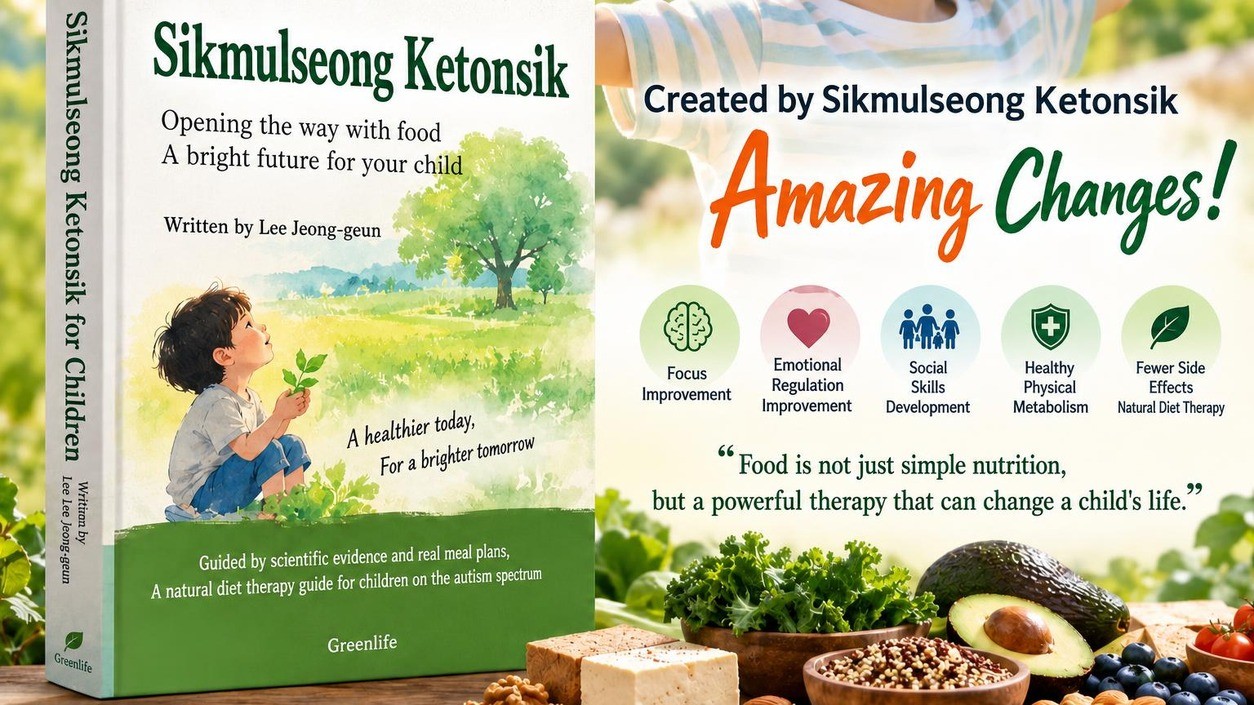
"My child's brain health, finding answers in a plant-based ketogenic diet"
Parents of children on the autism spectrum want to do anything for their child, but often feel lost about where and how to start. Especially with dietary therapy, there is great interest, but the internet is full of conflicting information and difficult terminology, making it hard to approach.
I aim to provide guidance on a diet that can help not only with autism but also dementia and borderline intelligence, as well as disabilities, depression, panic disorder, and overall brain health, specifically the "plant-based ketogenic diet," with scientific evidence.
What is the plant-based ketogenic diet (low-carb, high-fat)?
The plant-based ketogenic diet uses a variety of plant-based foods to create a low-carbohydrate, high-fat meal plan, with fats mainly coming from beneficial plant-based essential fatty acids (such as perilla oil, olive oil, nuts, seeds, avocados, etc.).
By reducing the proportion of grains, sugar, and refined carbohydrates, and increasing the proportion of plant-based fats and proteins, this diet helps the brain use ketone bodies as an energy source.
This diet addresses the limitations of traditional ketogenic diets that are high in animal saturated fats, and its safety and efficacy are being reviewed based on the latest domestic and international research in nutrition and neurology.
Scientific evidence and trust
All information is accompanied by clear sources such as academic papers to enhance the reliability of the information.
Instead of the complex terminology and statistics used in academic papers, I have restructured the content in language that parents and the general public can easily understand, so you can immediately grasp "what this research means for your child."
I earned my Ph.D. from the Department of Food and Nutrition at Seoul National University, and I am a researcher who has published three first-author papers in international journals (SCIE level) in the past year.
Based on my ongoing experience in clinical nutrition and metabolism research in food and nutrition, I believe it is most important to propose a diet that is 'scientifically grounded yet practical in daily life.'
Main advantages of the plant-based ketogenic diet
Helps brain energy metabolism
Studies suggest that reducing carbohydrates and increasing ketone body utilization may help with concentration, mood, and neural stability.
Low-carb, high-fat with essential plant-based fatty acids necessary for the human body
By using plant-based essential fatty acids instead of animal saturated fats, cardiovascular burden can be reduced.
Positive potential for inflammation and metabolic health
A plant-based diet increases the intake of dietary fiber and antioxidants, which can have a positive effect on systemic inflammation and metabolic health (such as blood sugar and weight management).
Potential applications in various diseases.
Research continues to explore the roles of ketogenic diets, omega-3s, and plant-based fats in brain-related conditions such as autism, dementia, depression, and anxiety.
A diet under scientific review.
As an attempt to overcome the limitations of traditional ketogenic diets, ongoing reviews of safety and effectiveness are being conducted through nutrition and neuroscience papers.
Practical examples of plant-based ketogenic meal plans.
The following meal plan is a three-day example for children with autism.
(※ Please consult a pediatrician or nutrition expert before applying. Adjustments may be needed based on the child's allergies, preferences, and health status.)
Day 1
Breakfast: Tofu scramble (tofu + olive oil + mushrooms and bell peppers), avocado, unsweetened soy milk.
Lunch: Small portion of brown rice and quinoa, stir-fried vegetables with olive oil, tofu steak with almond flour.
Dinner: Spinach seasoned with perilla oil, roasted pumpkin, lentil and chickpea vegetable soup.
Snack: Walnuts and almonds with cherry tomatoes, unsweetened coconut yogurt.
Day 2
Breakfast: Oatmeal with coconut milk (topped with nuts), blueberries.
Lunch: Vegetable and chickpea mixed salad (perilla oil and sesame sauce), grilled tofu.
Dinner: Vegetable curry (small portion of rice), sliced avocado.
Snack: Sunflower and pumpkin seed mix, apple with peanut butter.
Day 3
Breakfast: Green smoothie (spinach and kale + soy milk + flaxseed powder), boiled sweet potato.
Lunch: Soy meatballs with tomato sauce, eggplant and paprika grilled in olive oil.
Dinner: Seaweed and sea vegetable hot pot, a small portion of brown rice or tofu.
Snack: Unsweetened soy milk with almonds, cucumber and carrot sticks with hummus.
Common Principles
Carbohydrates: Minimize white bread, snacks, sugar, and drinks as much as possible, and consume only small amounts of whole grains and vegetables.
Fats: Include small amounts of plant-based fats such as perilla oil, olive oil, nuts, seeds, and avocado in every meal.
Protein: Base your intake on plant-based proteins such as tofu, legumes, and soy milk.
Project Goal
Through this Wadiz Funding, we aim to create a book and materials that allow parents of children with autism to access verified information and practical dietary guidelines all in one place.
Knowing that changing a child's diet is never an easy journey, we want to provide long-lasting support to parents by including scientific evidence and practical methods in a single volume.