 Jeon Ji-su
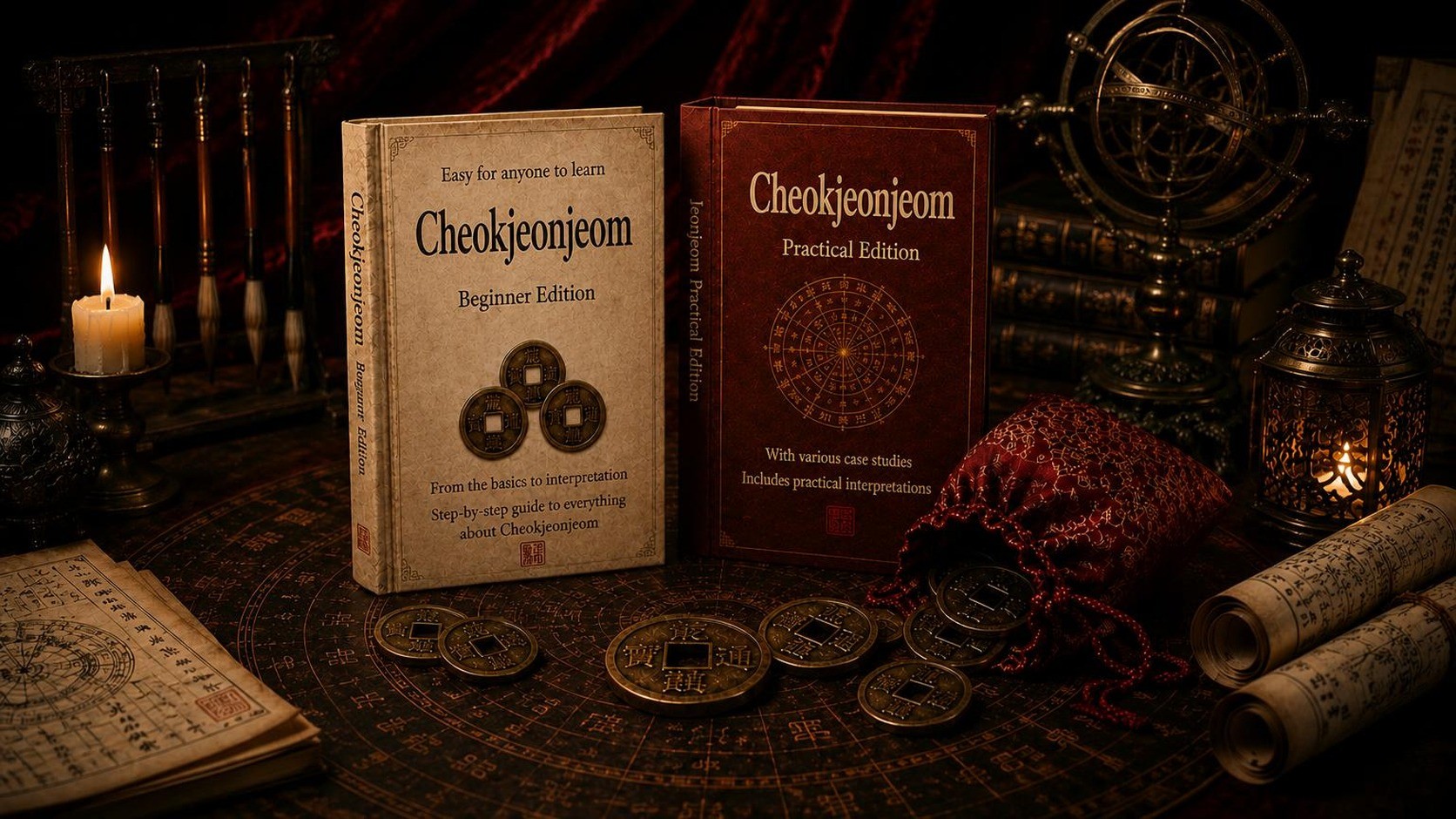
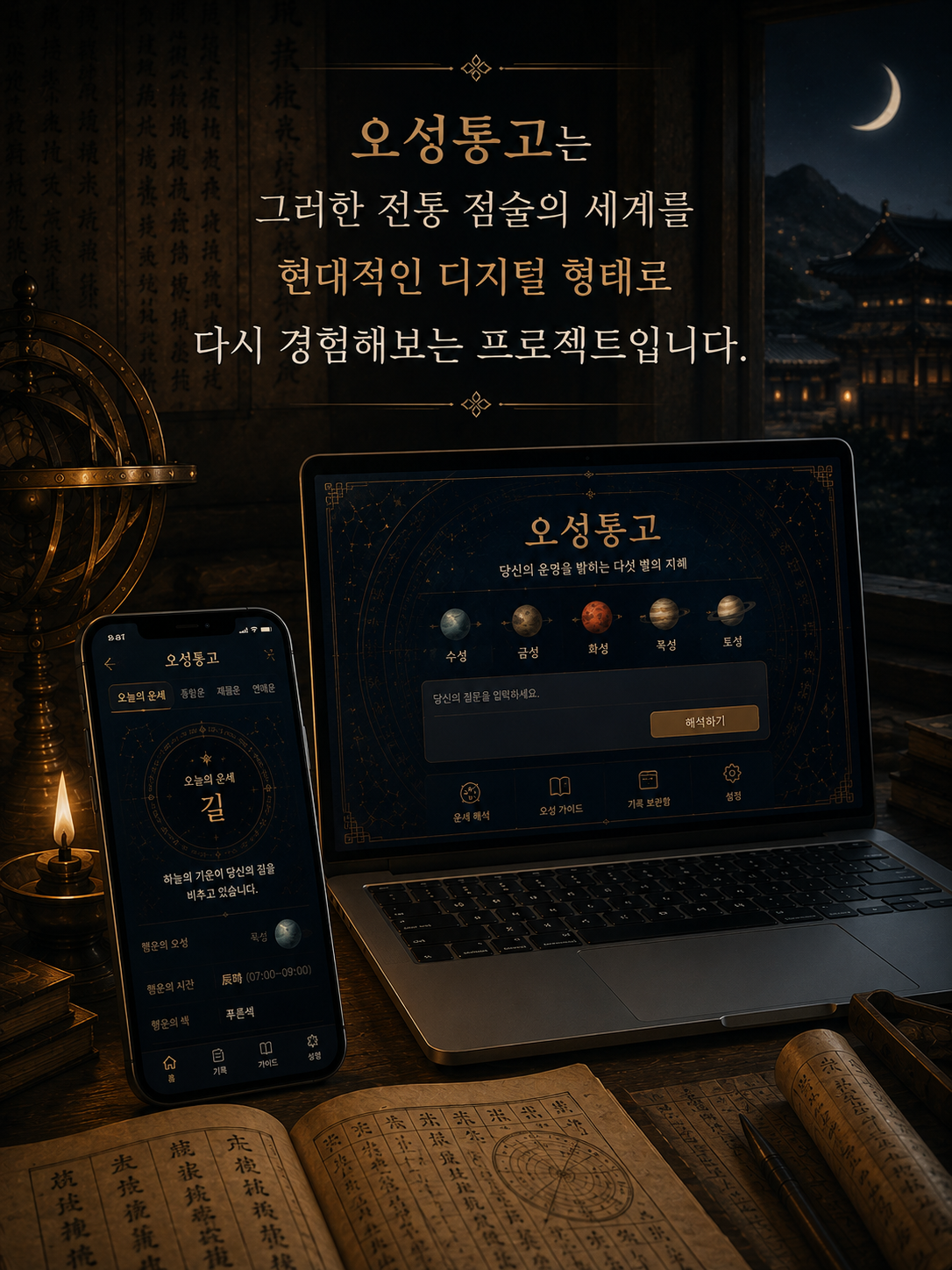
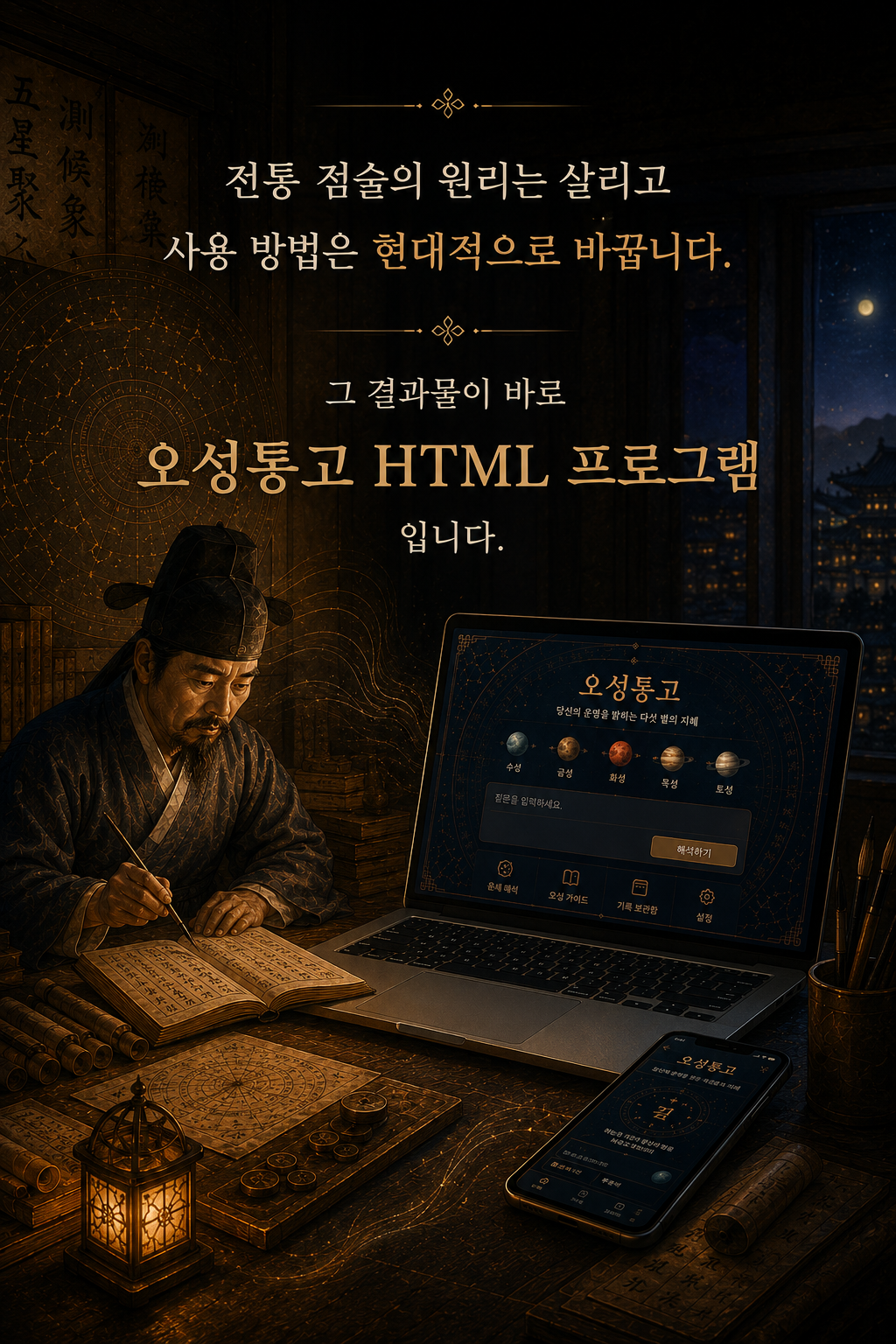
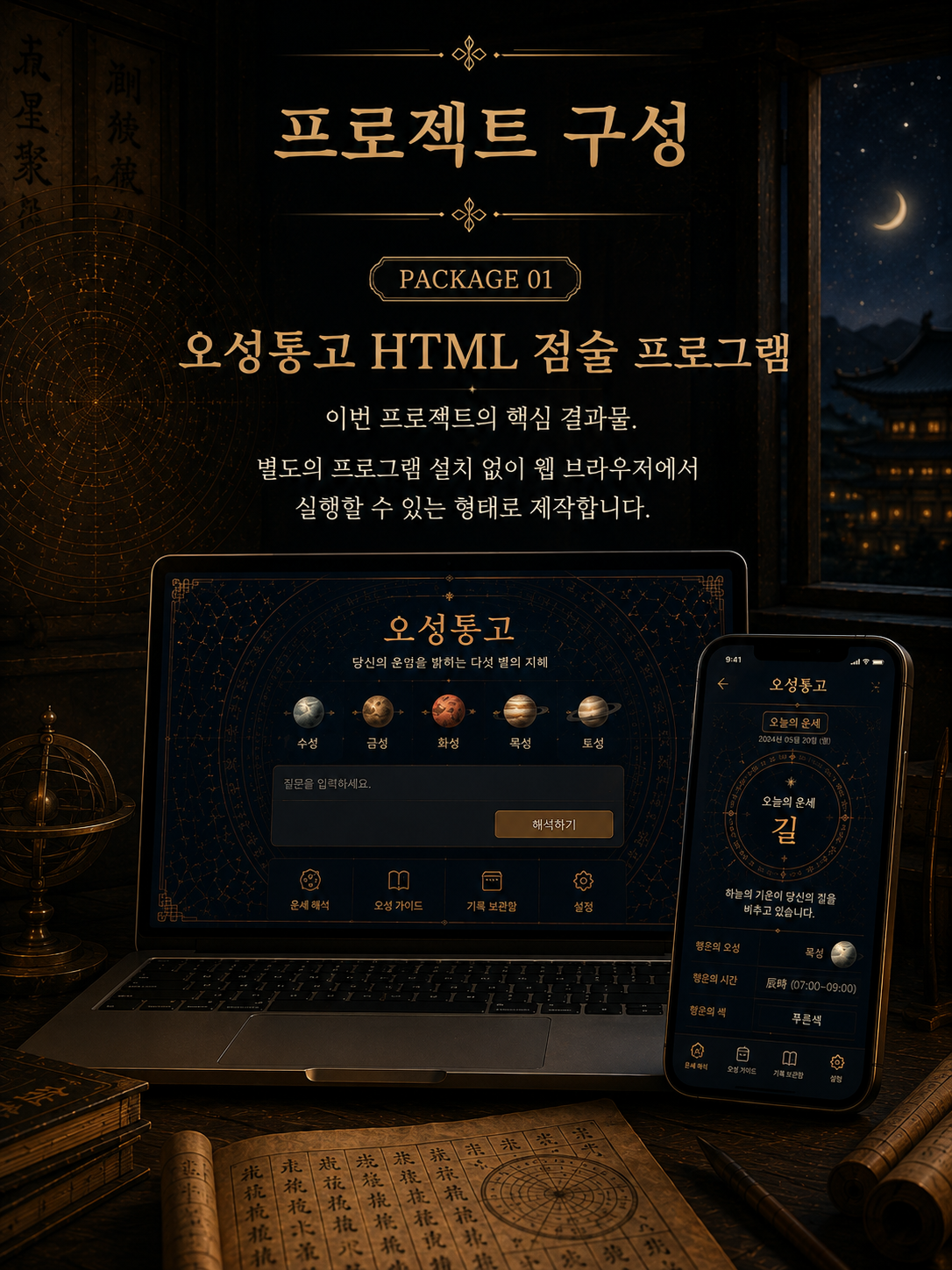
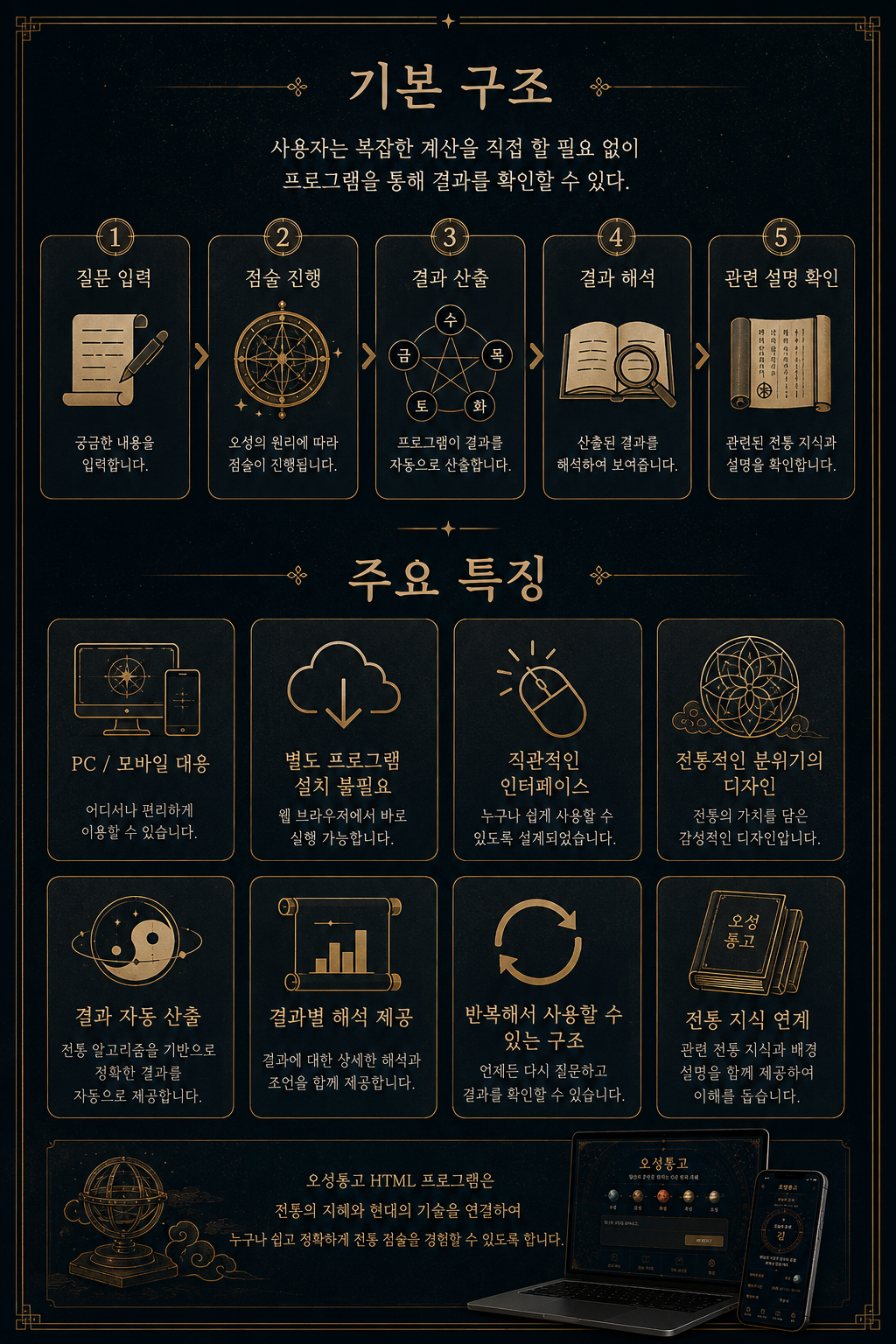
The program provided in the setis free for life. There is an HTML program that can be used.[Available on PC and mobile]
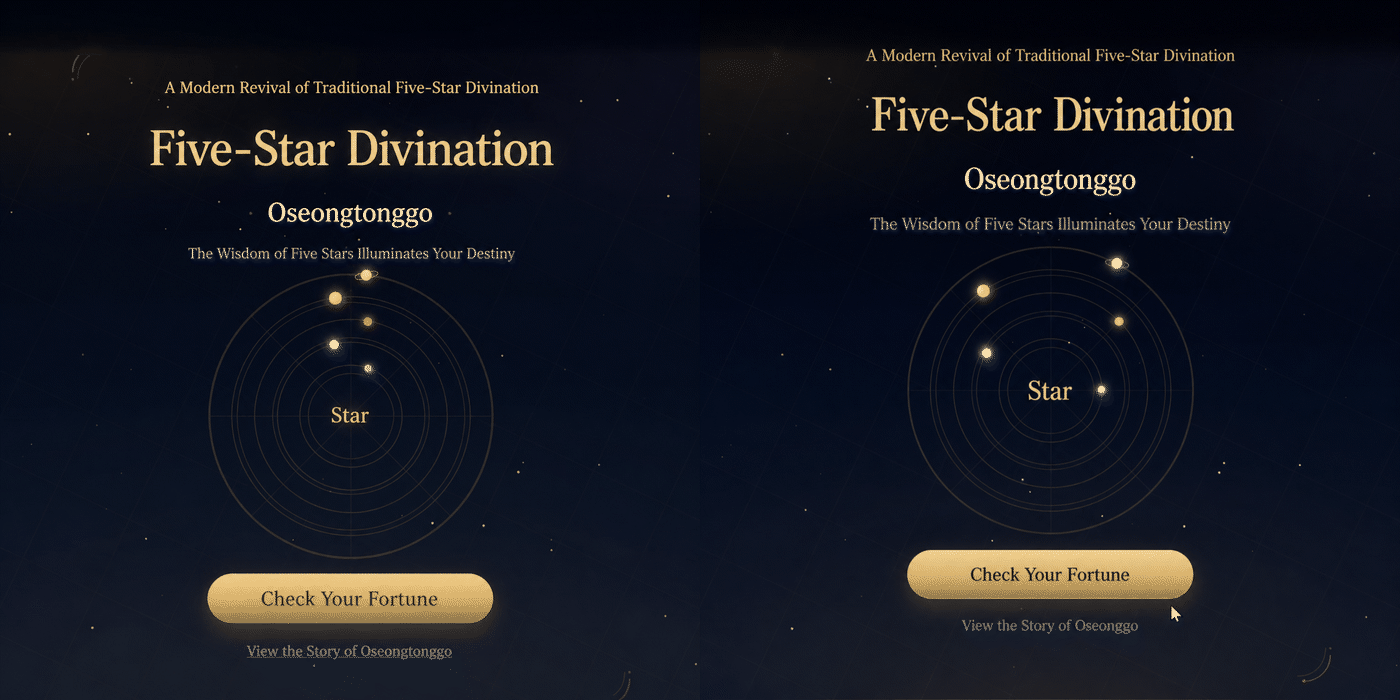
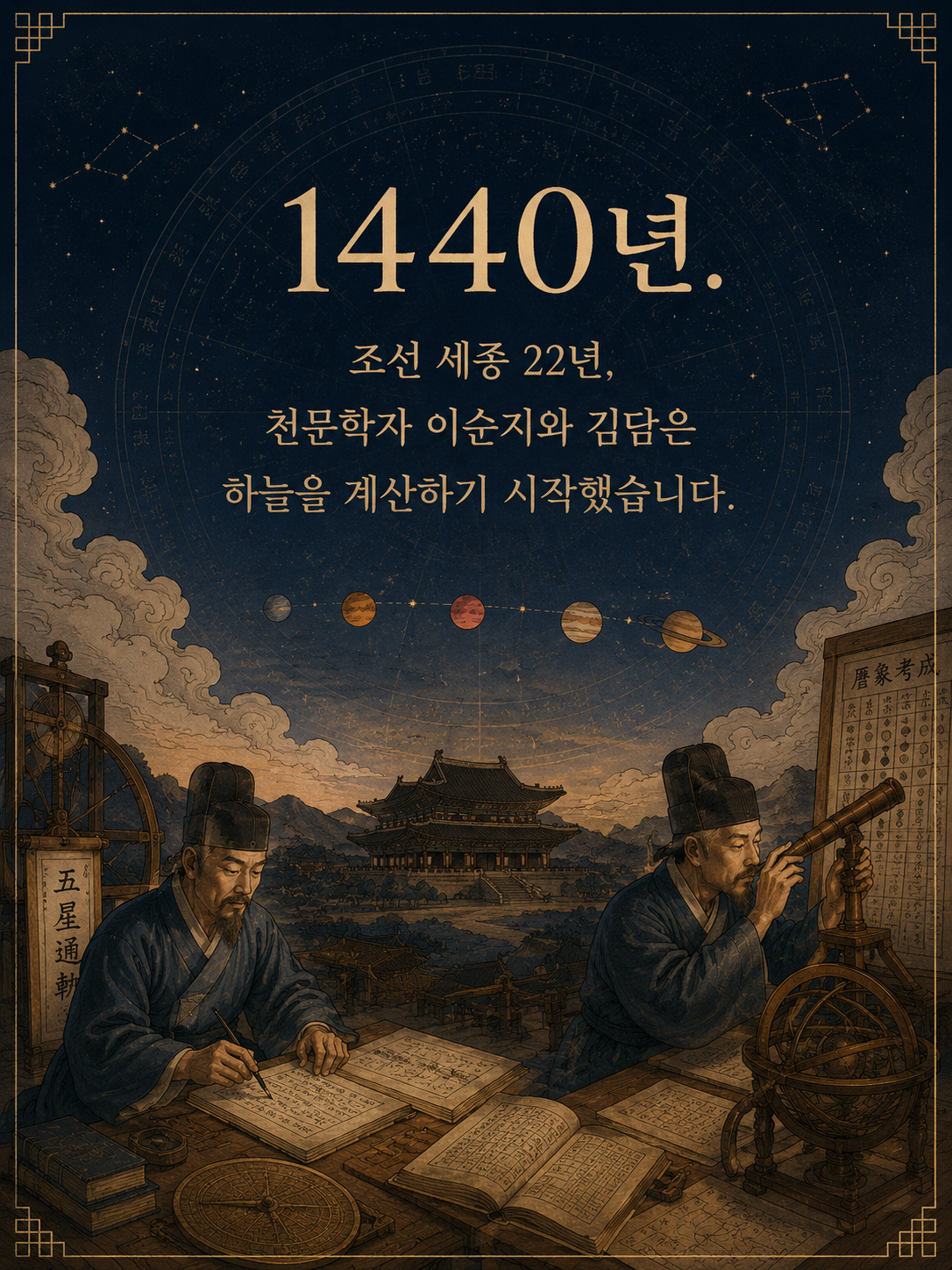
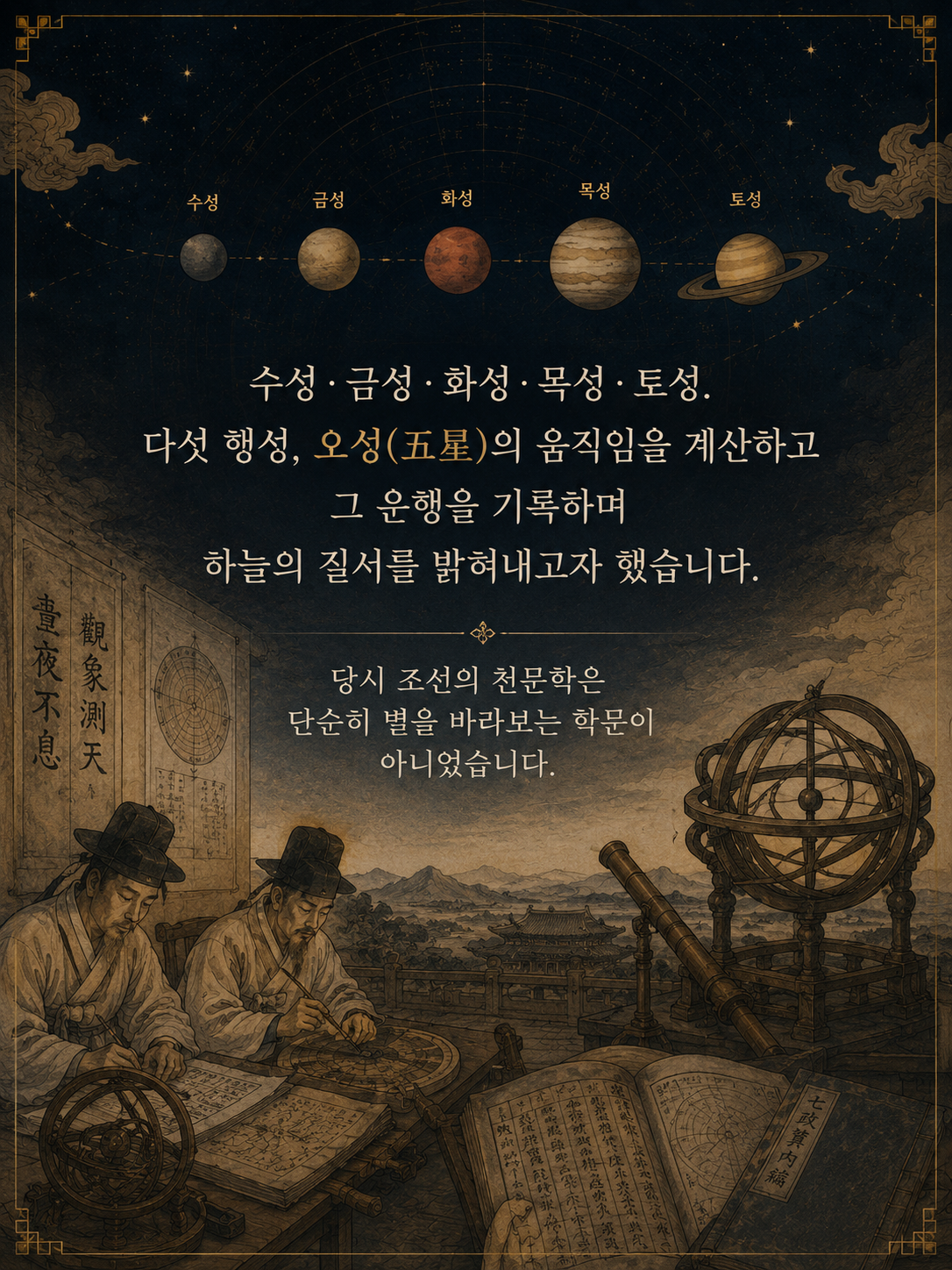
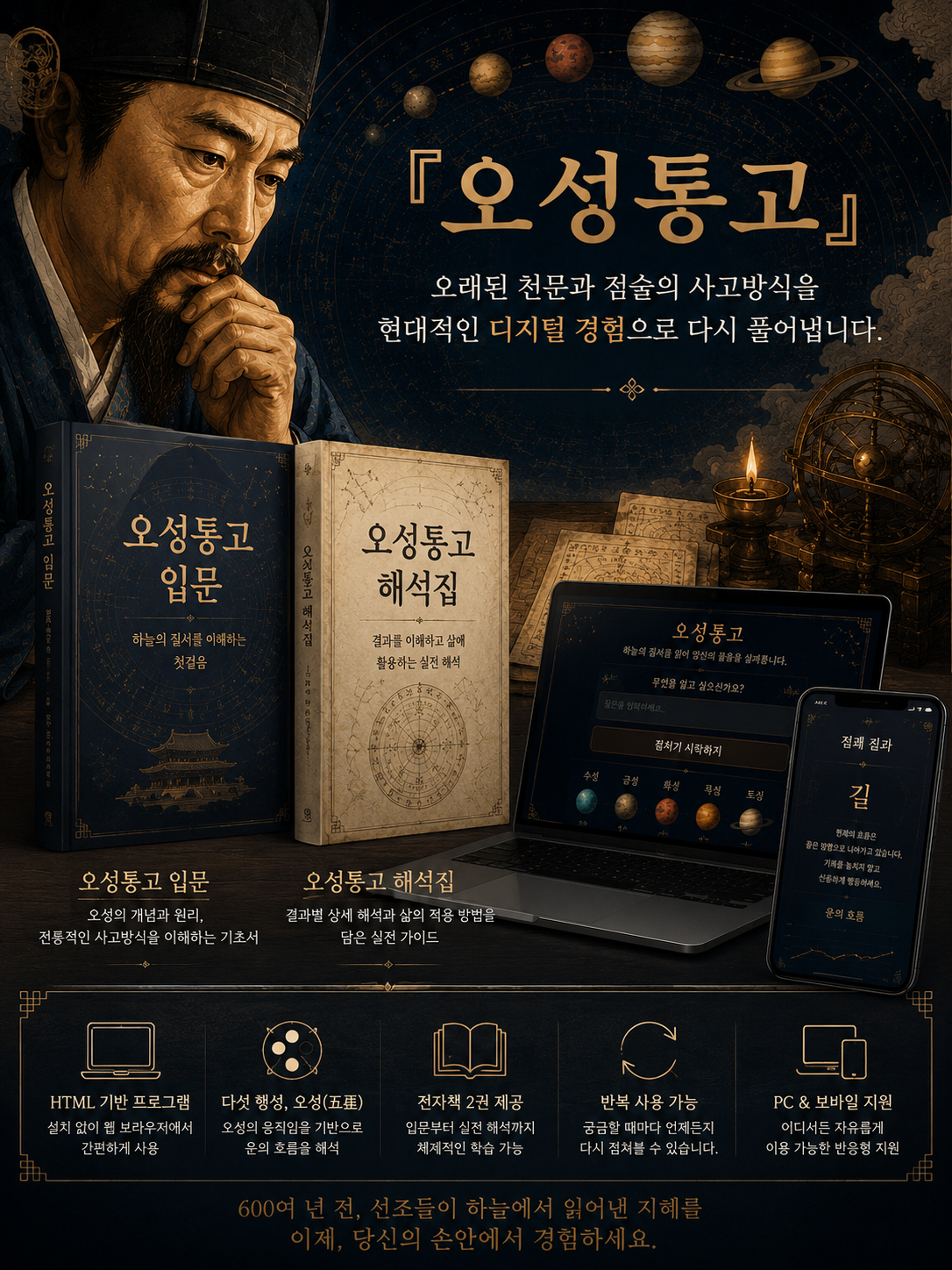
Volume 1 Layout Draft -
As a PDF, it will be delivered via a Google Drive download link sent by email.
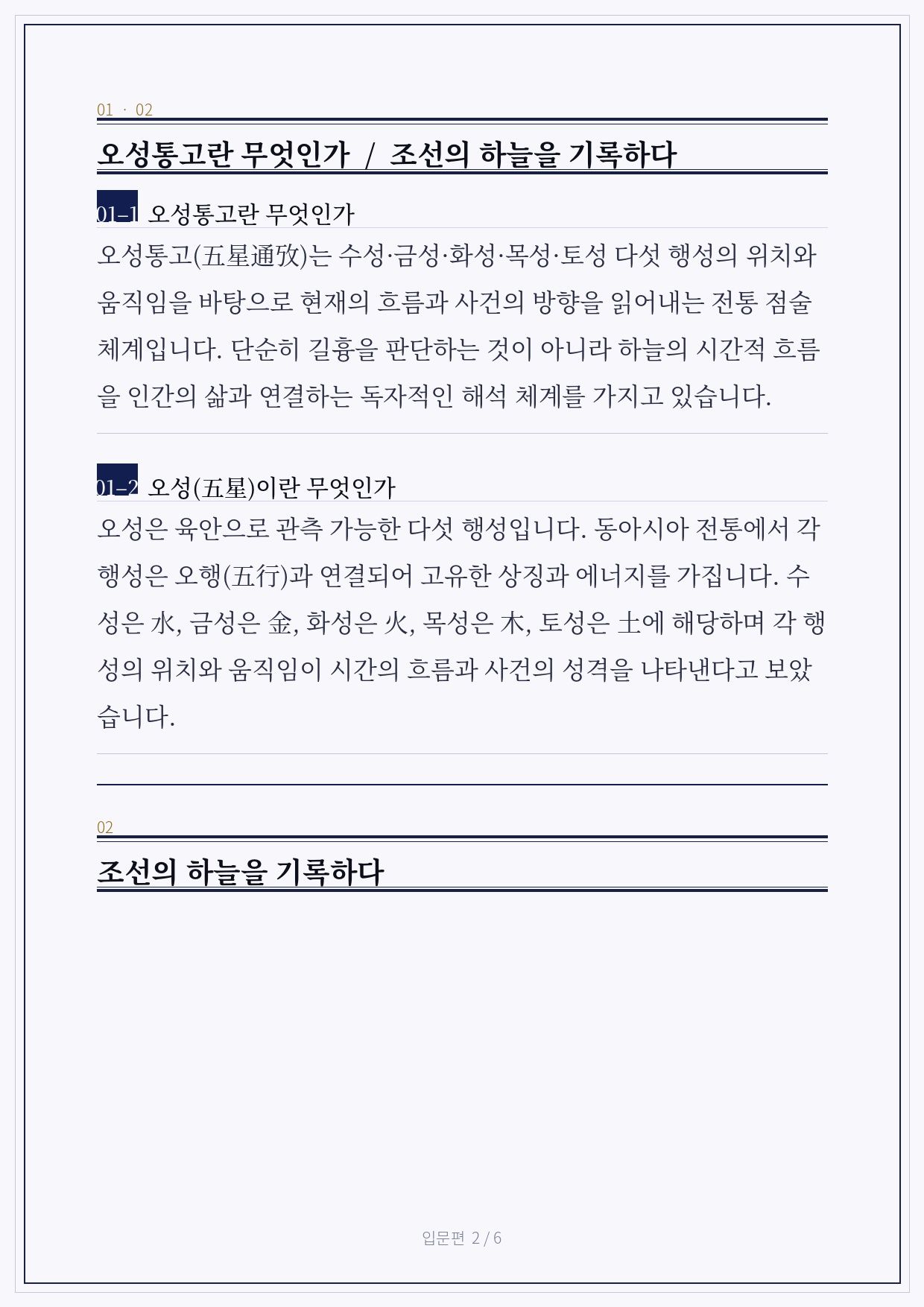
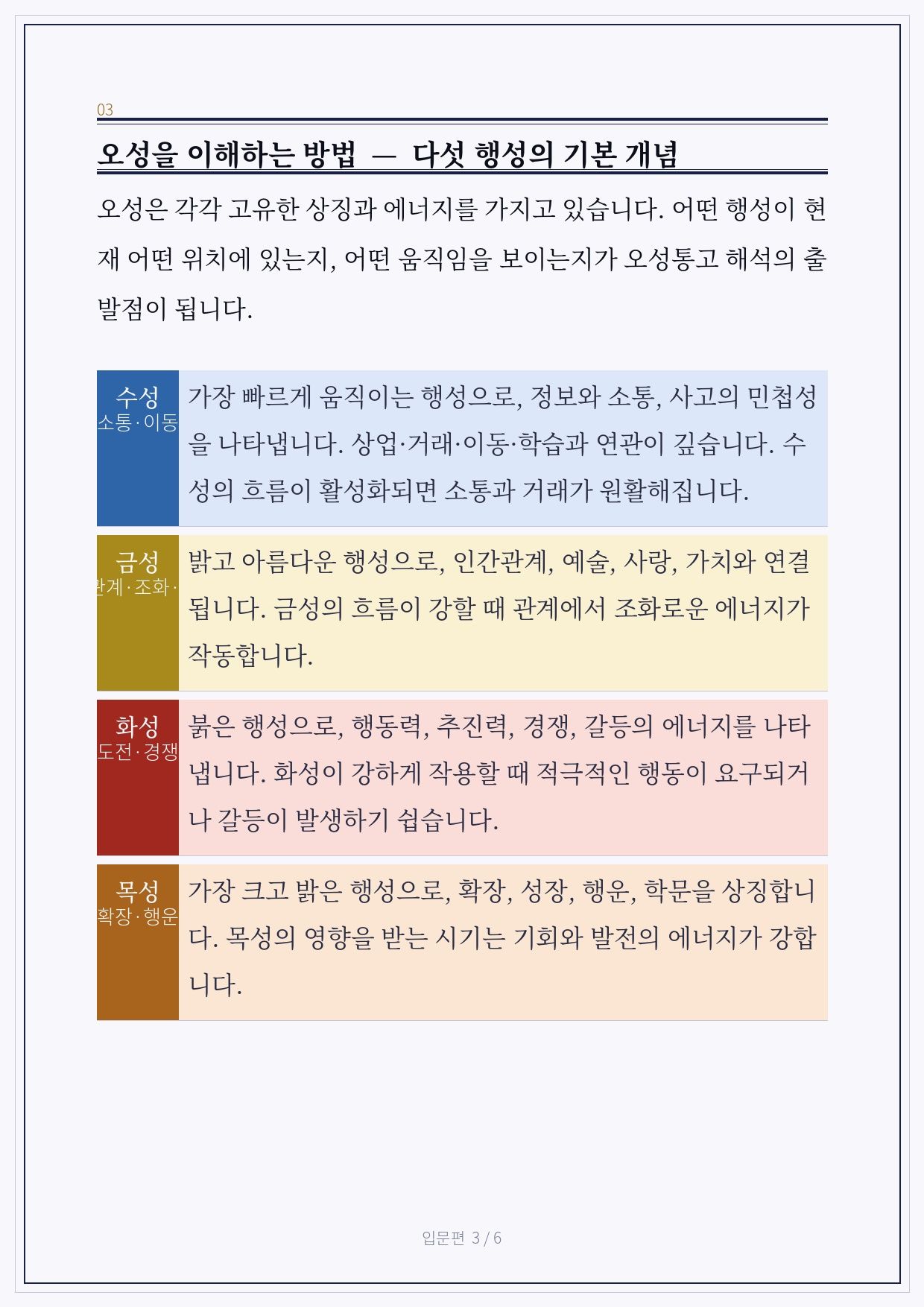
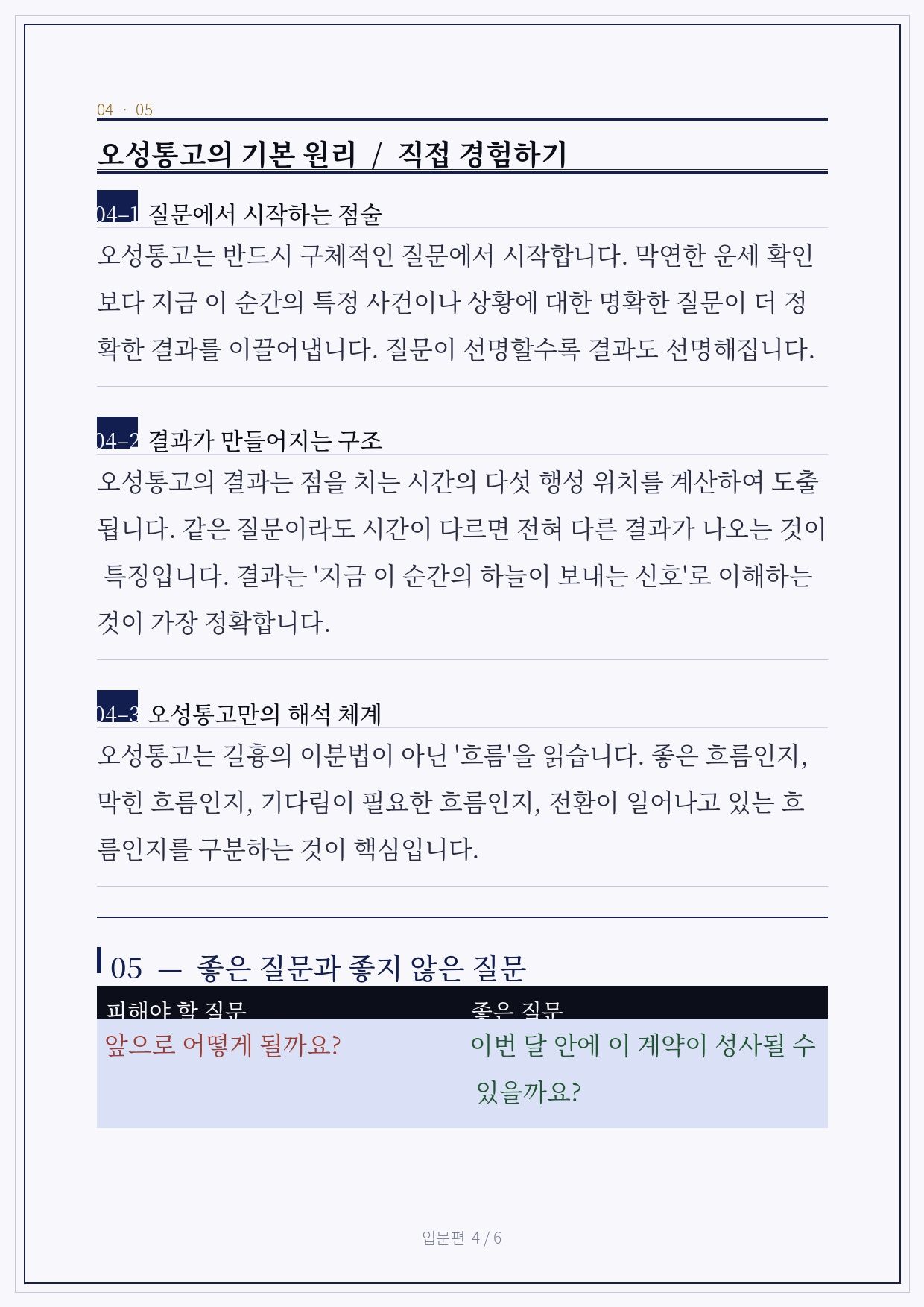
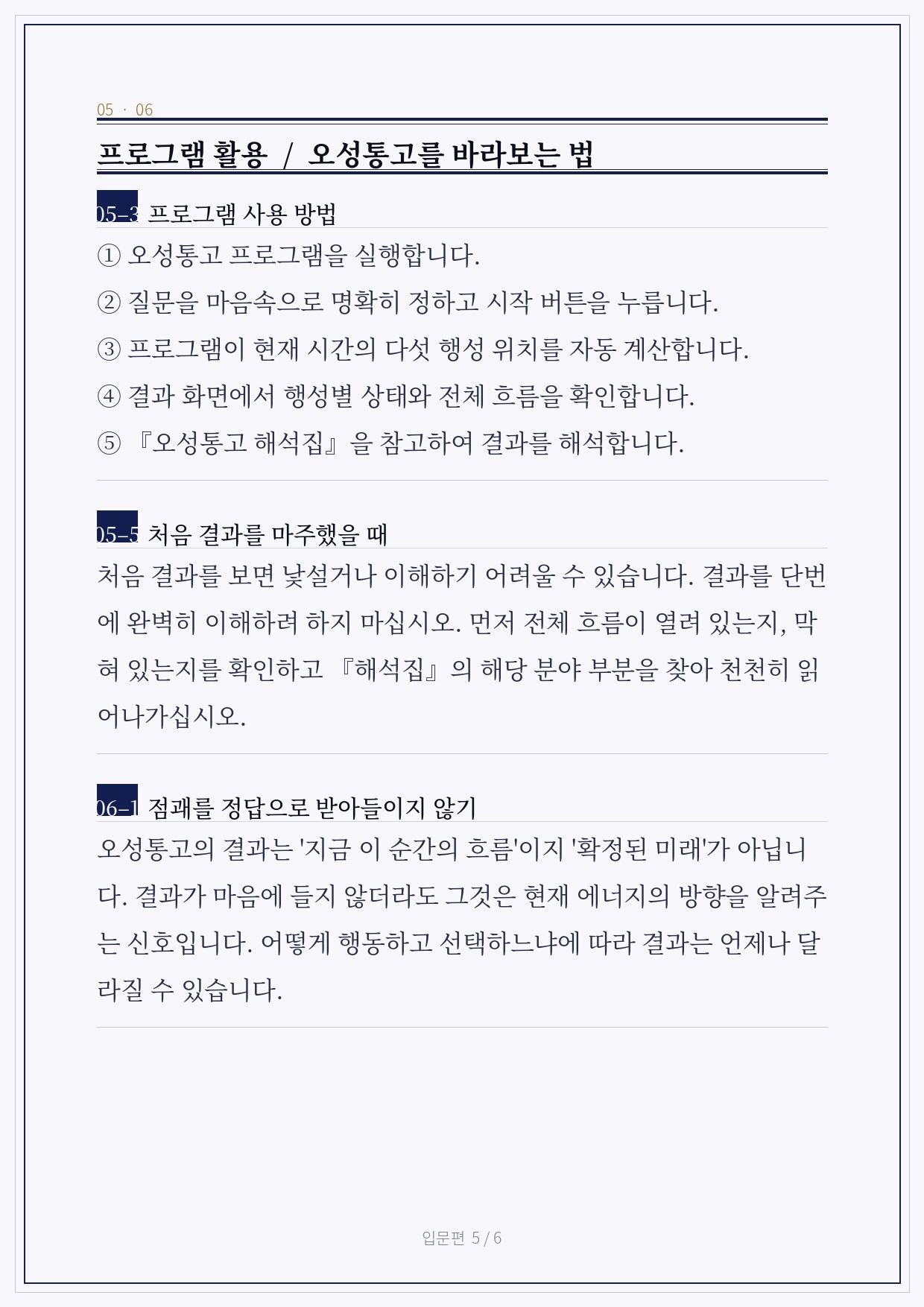
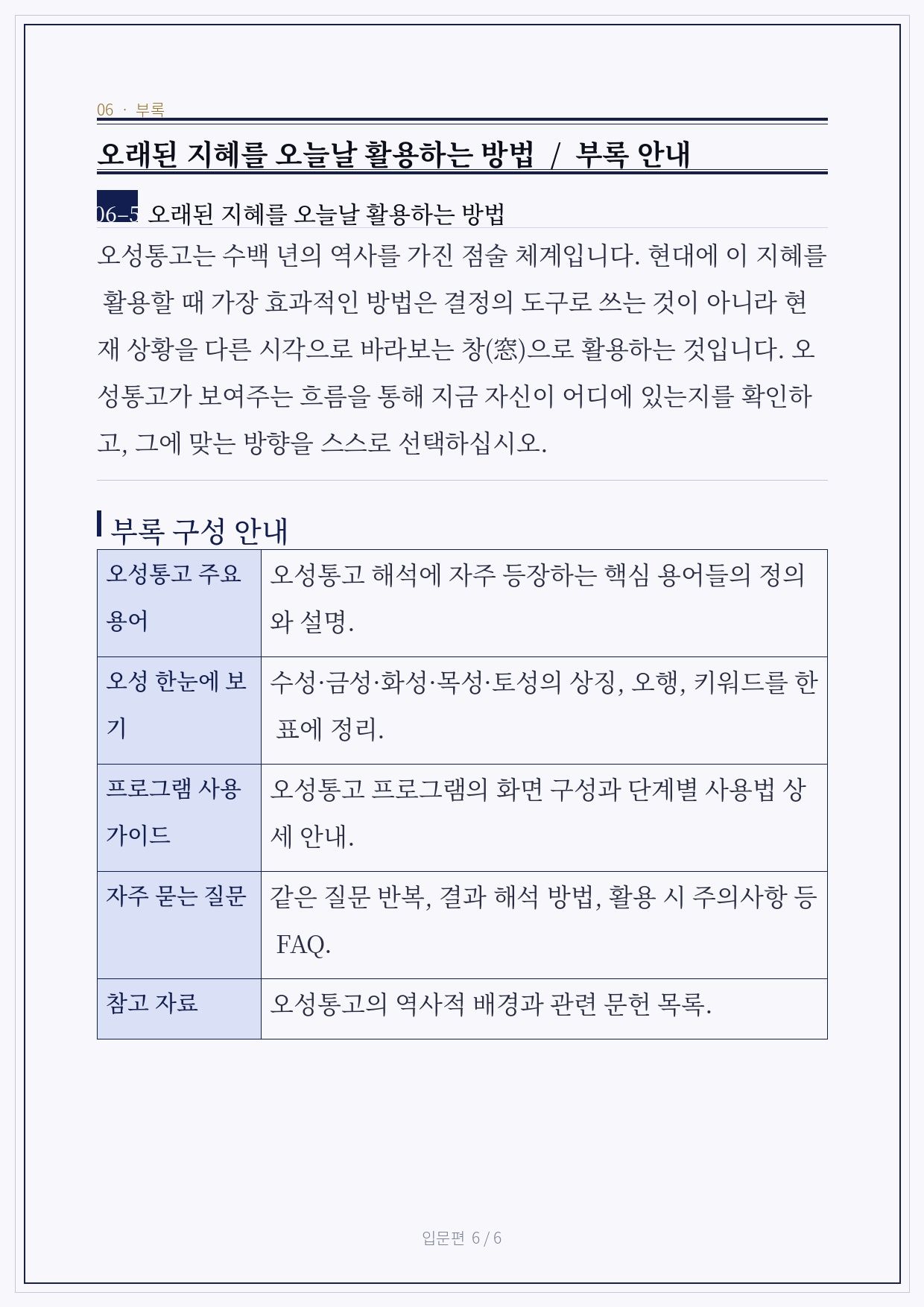
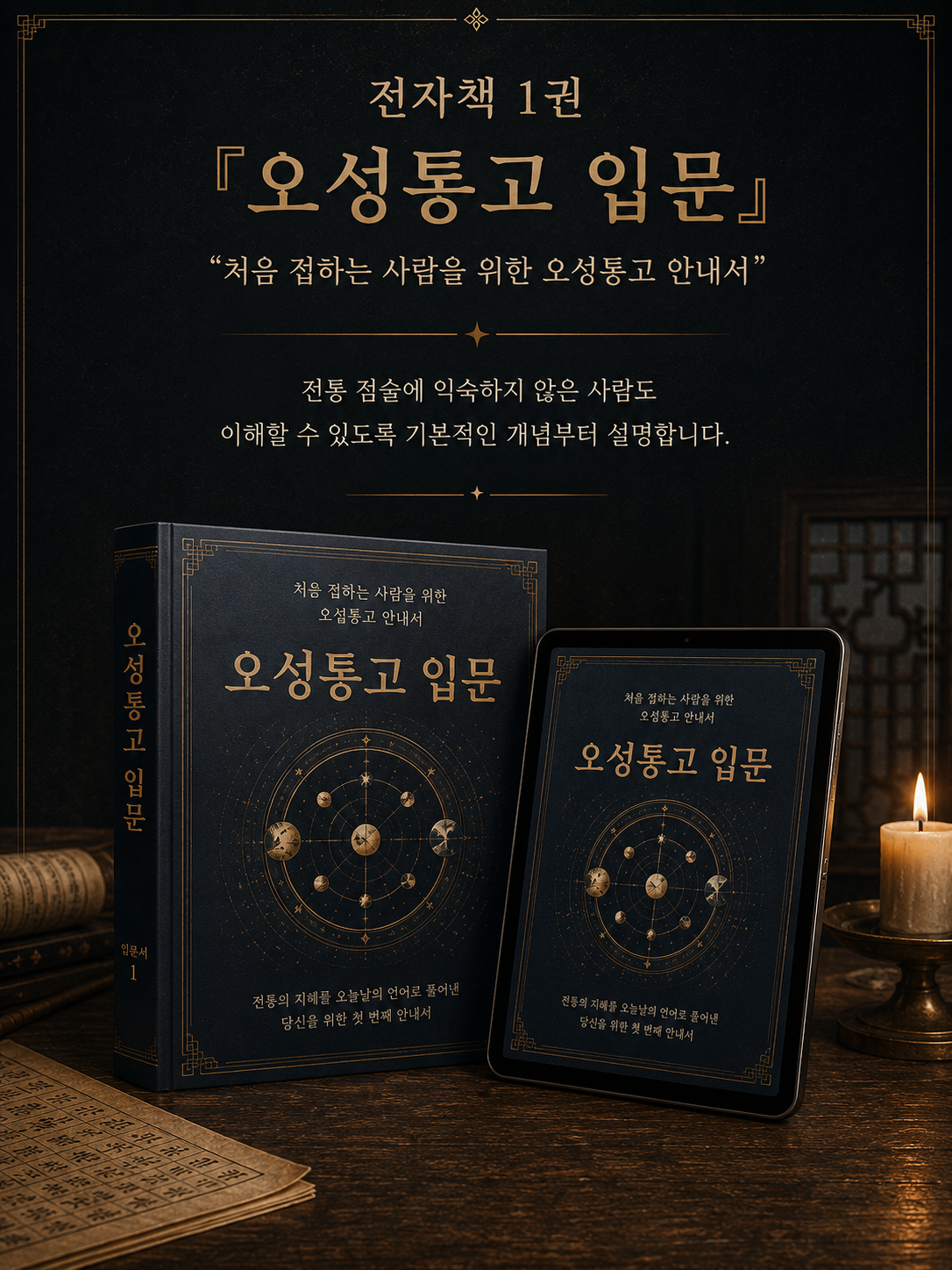
📘 『Introduction to Oseongtonggo』
A guide to Oseongtonggo for beginners.
Over 100 pages,
As a PDF, it will be delivered via a Google Drive download link sent by email.
Table of Contents
Prologue — Questions that began while looking at the sky
01. Before starting Oseongtonggo
- What is Oseongtonggo?
- What are the Five Stars (Oseong)?
- Mercury, Venus, Mars, Jupiter, Saturn
- The traditional perspective of observing the sky and humanity
- What did divination seek to know?
02. Recording the sky of Joseon
- The development of astronomy during the Joseon Dynasty
- The Sejong era and astronomical observation.
- Yi Sunji and Kim Dam.
- 『Oseongtonggwe』 and the five planets.
- Observing, calculating, and recording.
03. How to understand the five planets.
- Basic concepts of the five planets.
- Movements and positions of the five planets.
- Changes in the sky and time.
- Reading the flow.
- Perspectives on the relationship between the five planets and humans.
04. Basic principles of Oseongtonggo.
- Divination that starts with a question.
- Process of divination.
- The structure in which results are created.
- The difference between results and interpretation.
- Interpretation system unique to Oseongtonggo.
05. Experiencing Oseongtonggo firsthand.
- What kind of questions should be asked?
- Good questions and bad questions.
- How to use the program.
- Check Results
- When Facing the Results for the First Time
06. How to View Oseongtonggo
- Do Not Accept the Divination as the Answer
- Focus on the Flow Rather Than the Result
- Connect Your Situation with the Result
- Reconsider the Question
- How to Apply Ancient Wisdom Today
Appendix
- Key Terms of Oseongtonggo
- Overview of Oseong
- Program User Guide
- Frequently Asked Questions
- References
Volume 2 Inner Page Draft -
As a PDF, it will be delivered via a Google Drive download link by email.
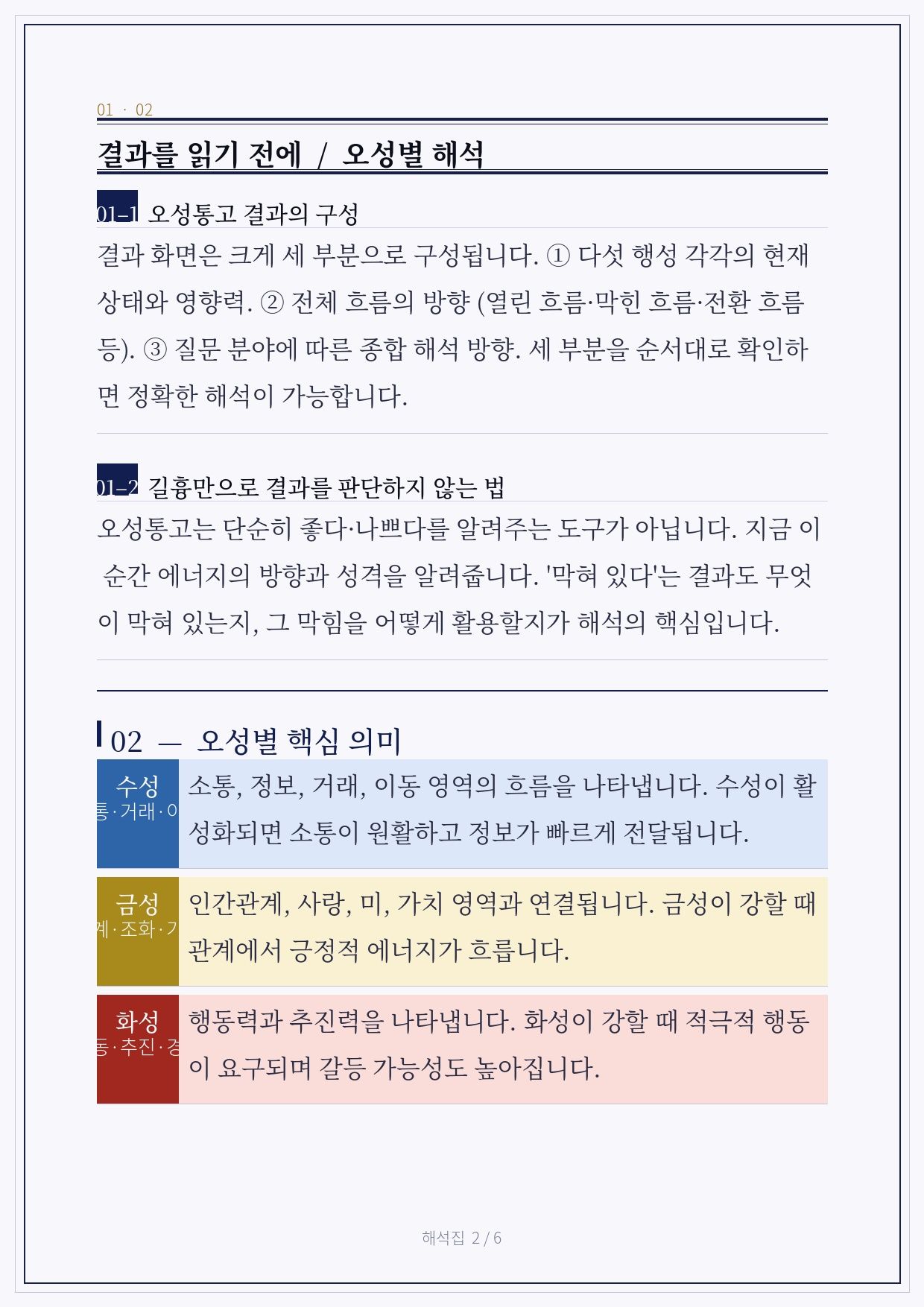
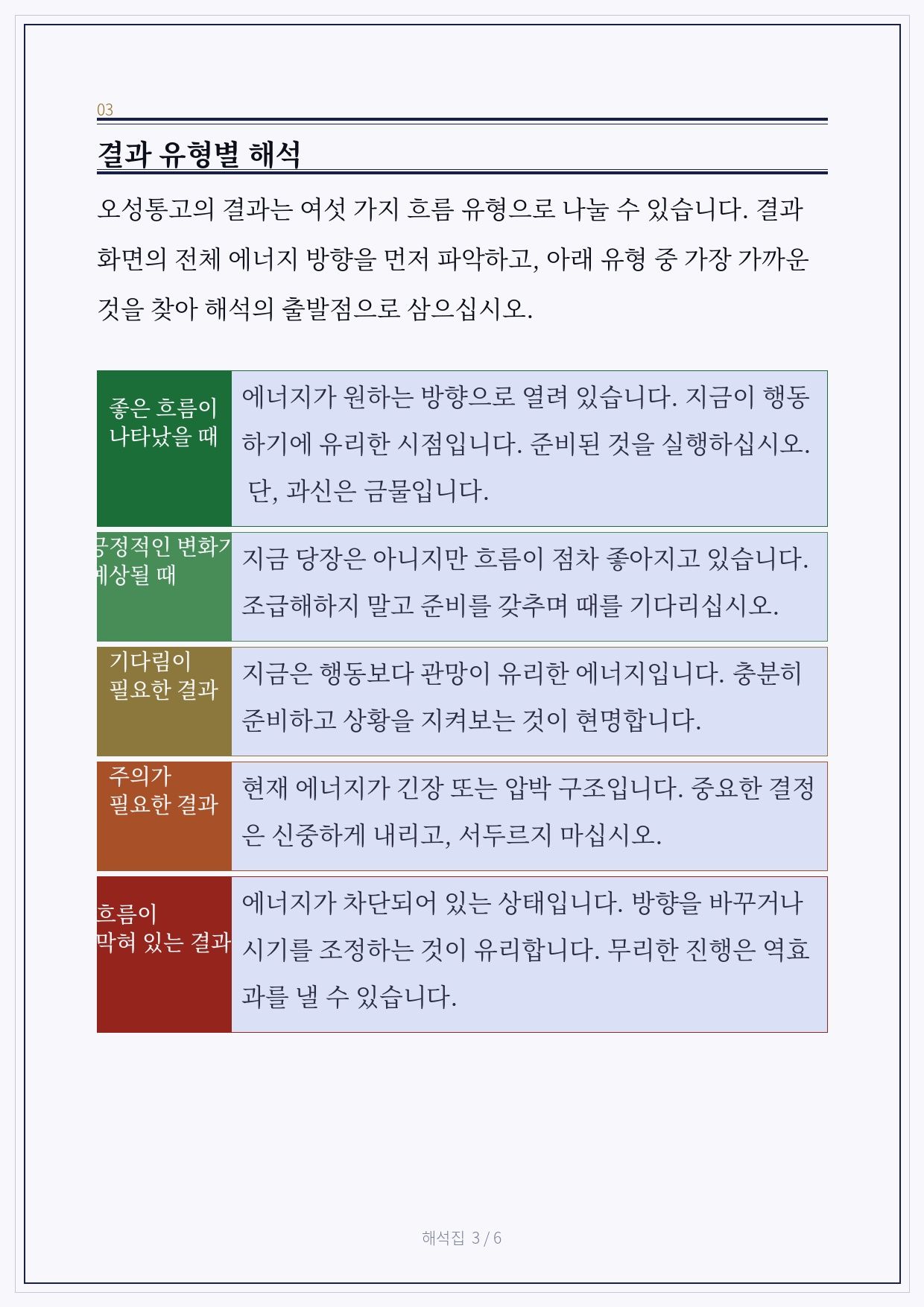
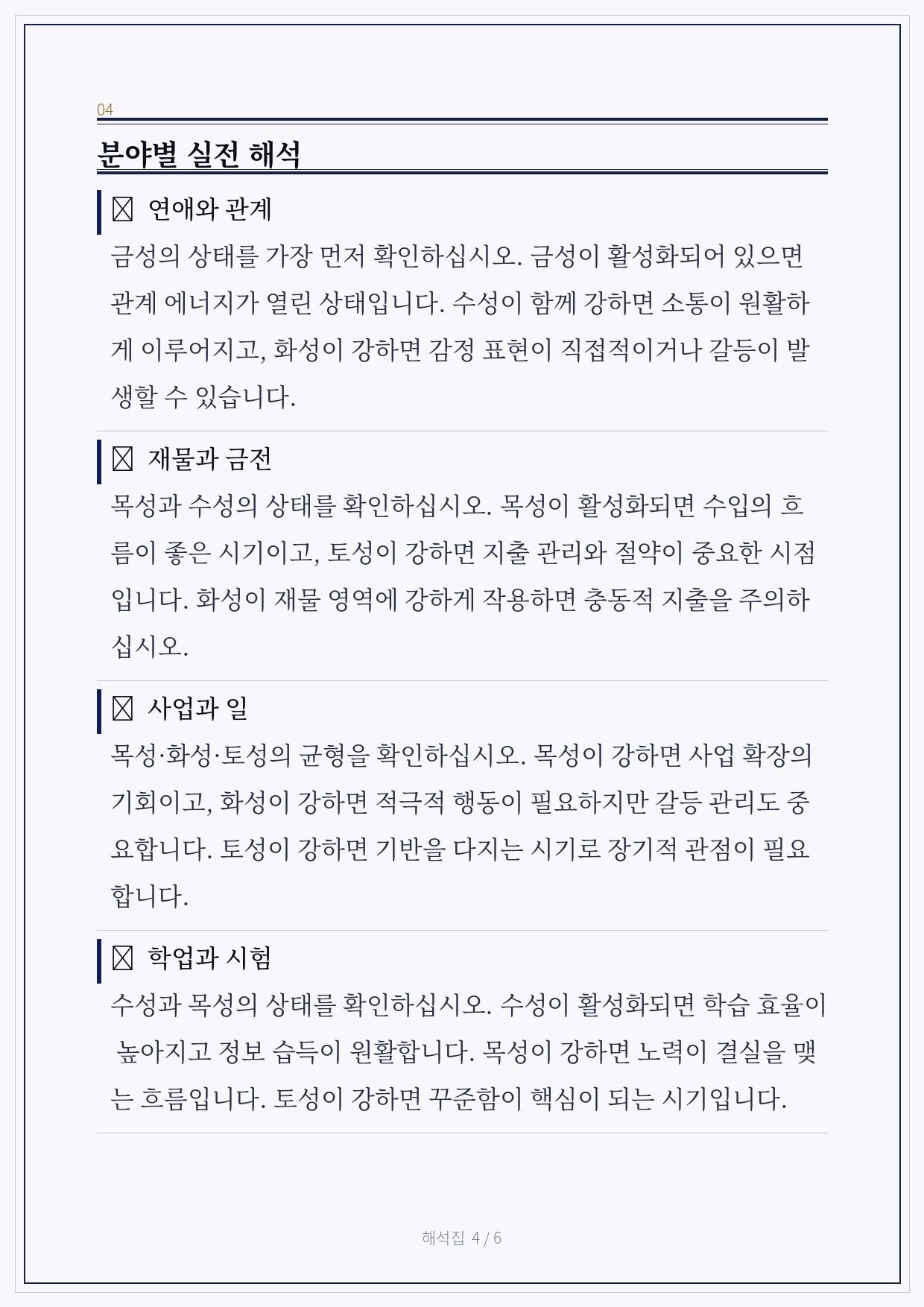
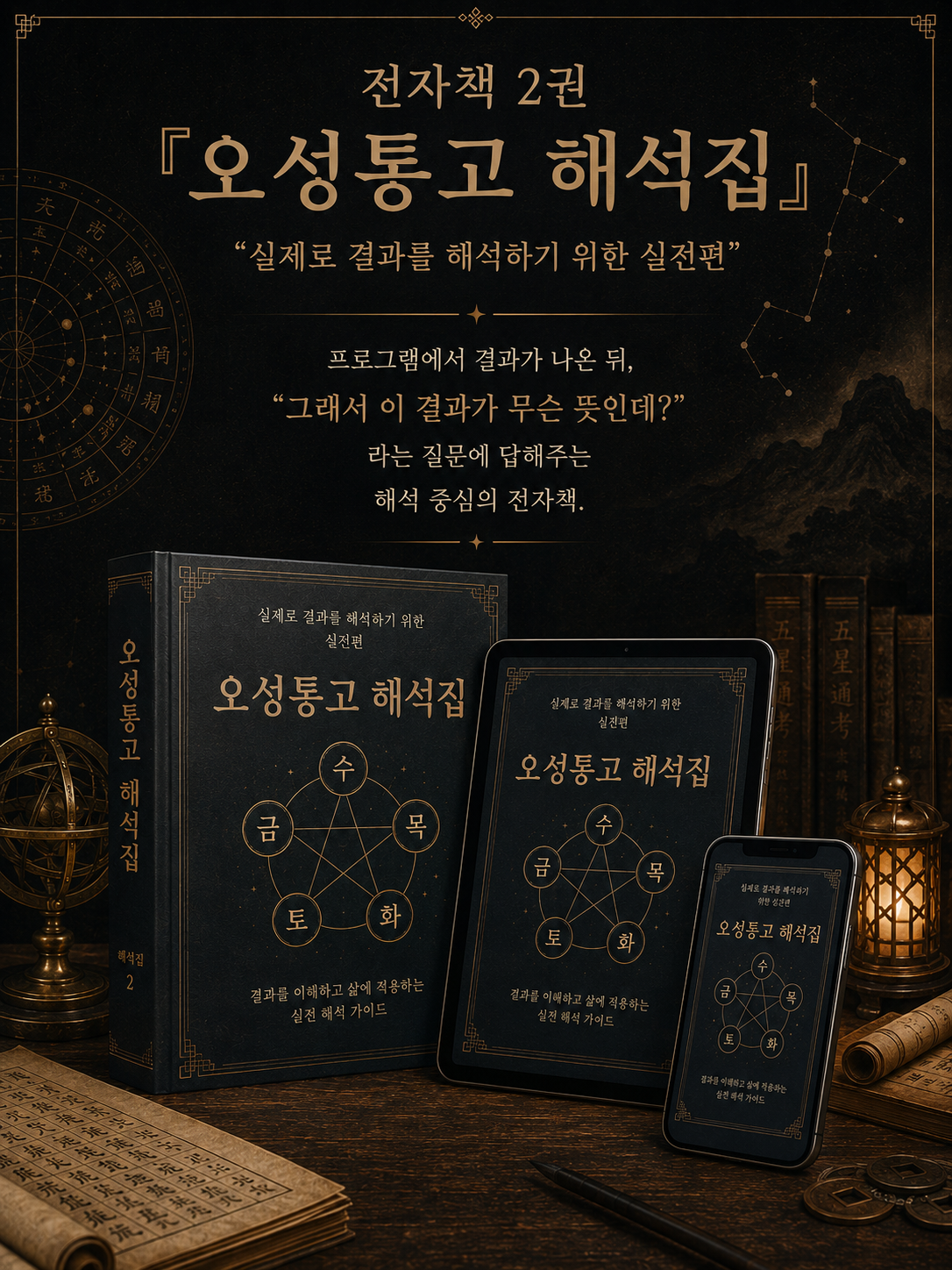
📕 『Oseongtonggo Interpretation Book』
Practical Guide for Interpreting Results
Over 100 pages,As a PDF, it will be delivered via a Google Drive download link by email.
Table of Contents
Prologue — "So what does this result mean?"
01. Before Reading the Results
- Structure of the Five-Star Notification Results
- How Not to Judge Results by Fortune Alone
- Connecting Results to the Current Situation
- Understanding the Intensity and Flow of Results
- Things to Watch Out for When Interpreting
02. Interpretation by Each of the Five Stars
- Meaning of Mercury (水星)
- Meaning of Venus (金星)
- Meaning of Mars (火星)
- Meaning of Jupiter (木星)
- Meaning of Saturn (土星)
03. Interpretation by Result Type
- When a Good Flow Appears
- When Positive Changes Are Expected
- Results That Require Waiting
- Results That Require Caution
- Results Where the Flow Is Blocked
- Results indicating change and transition.
04. Practical Interpretation by Field
- ❤️ Love and Relationships
- 🤝 Interpersonal Relationships
- 💰 Wealth and Finances
- 💼 Business and Work
- 📚 Academics and Exams
- 🧭 Choices and Decisions
- 🌱 New Beginnings
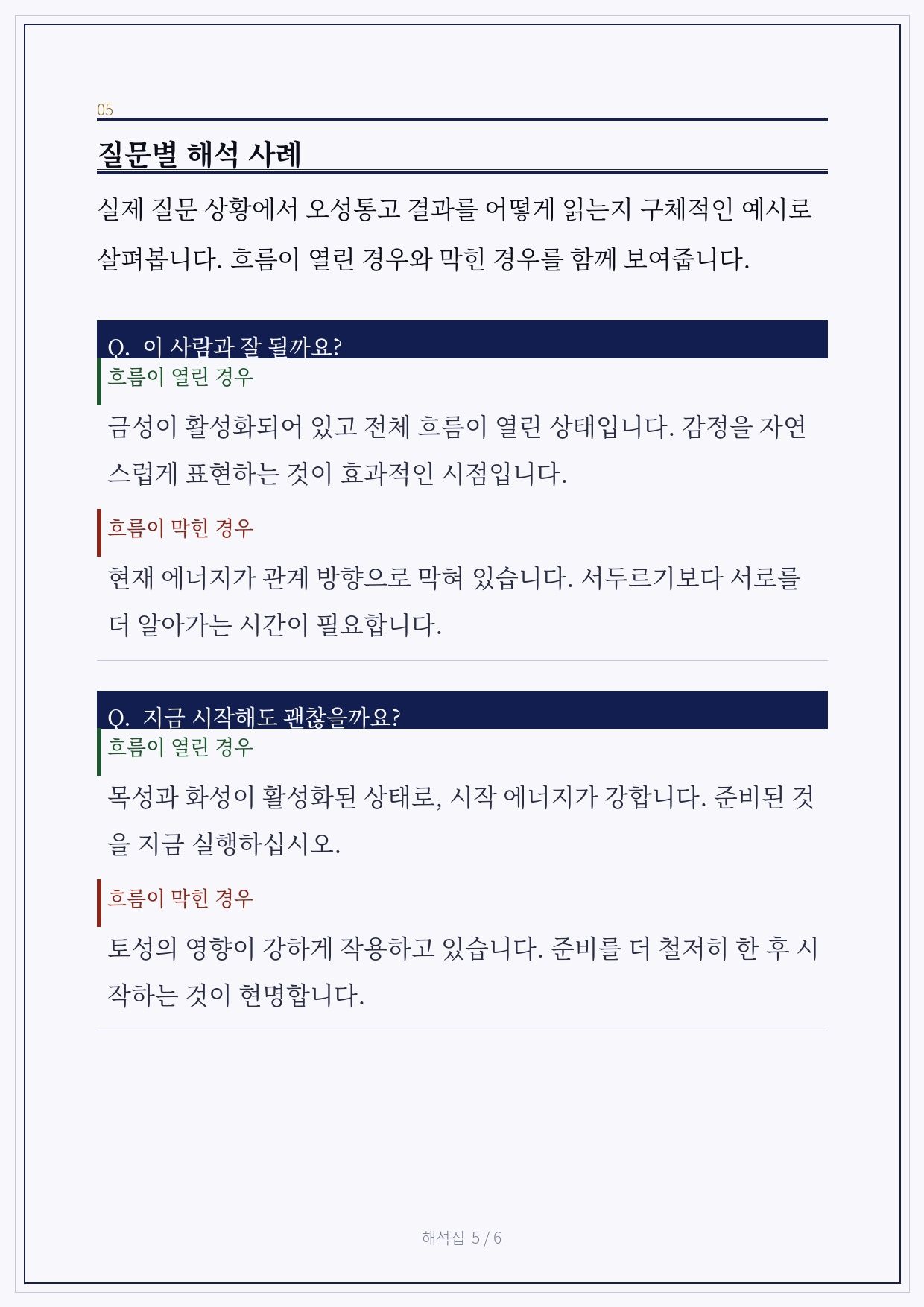
05. Interpretation Examples by Question
- "Will things go well with this person?"
- "Is it okay to start now?"
- "Should I continue with this work?"
- "Will a new opportunity come?"
- "Is it right to wait now?"
- "Is it okay to make this choice?"
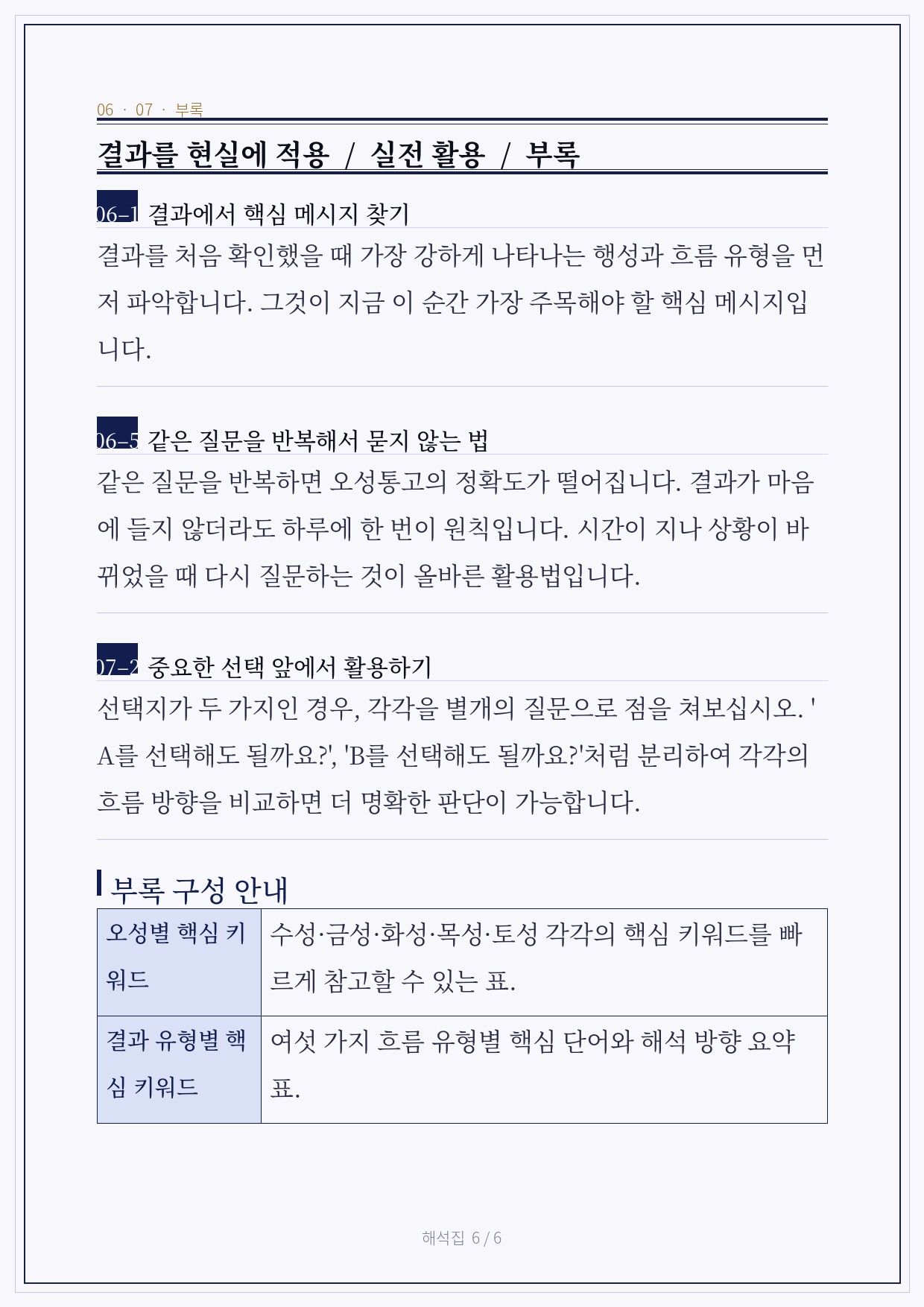
06. How to Apply Results to Reality
- Finding the core message in the results.
- Distinguishing between opportunities and cautions.
- What to do now and what to wait for.
- How to use results in decision-making
- How not to repeat the same question
- Reviewing my flow through records
07. Practical application of Oseongtonggo
- Looking at the flow of the day
- Using it before making important choices
- Examining the flow of relationships
- When starting something new
- Recording and comparing results
Appendix
- Key keywords for each Oseong
- Key keywords by result type
- Interpretation table by field
- Quick result checklist
- Oseongtonggo record notebook